
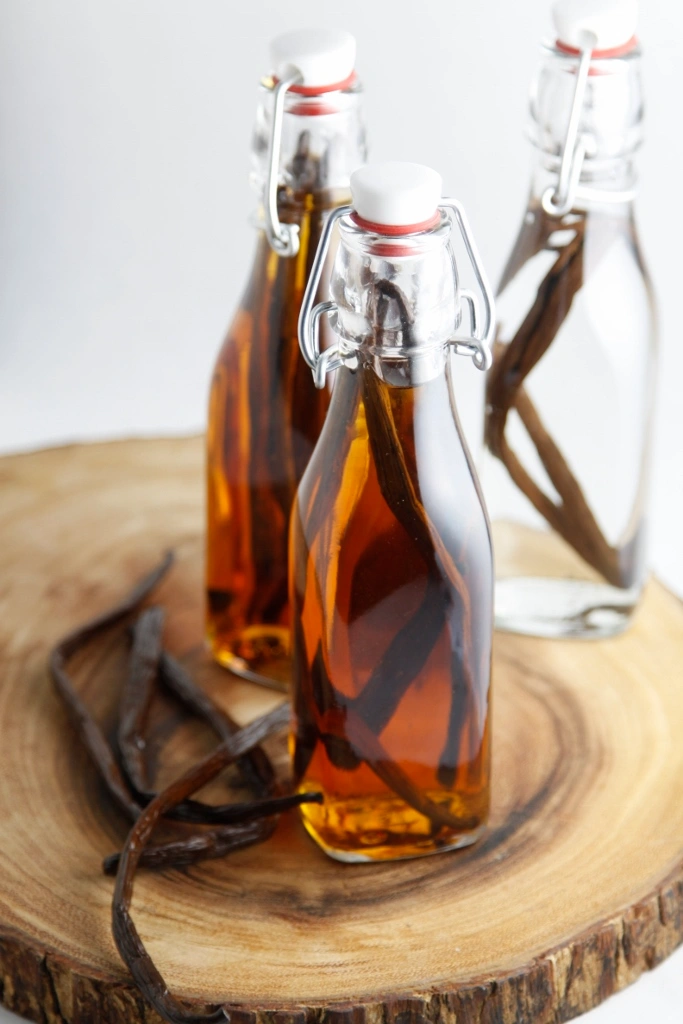
Vanilla extract is one of the most widely used forms of vanilla globally, yet choosing the right vanilla beans for extraction is often misunderstood. Many buyers focus on appearance or origin alone, even though extract performance depends on very different factors.
There is no single “best” vanilla bean for extract in all situations. Instead, the right choice depends on aroma profile, moisture content, grade, and intended application.
This guide explains what actually matters when selecting vanilla beans for extract production , whether for small-batch craft use or large-scale manufacturing.
Why Vanilla Bean Selection Matters for Extract
Vanilla extract is produced by soaking cured vanilla beans in alcohol over time. During this process, aromatic compounds such as vanillin and other phenolics are dissolved into the liquid.
Because extraction concentrates aroma rather than visual quality, the beans best suited for extract are not always the same beans preferred for gourmet or decorative use.
For extract producers, the goal is:
- Strong and stable aroma
- Predictable extraction performance
- Consistency across batches
Aroma Profile: The Most Important Factor
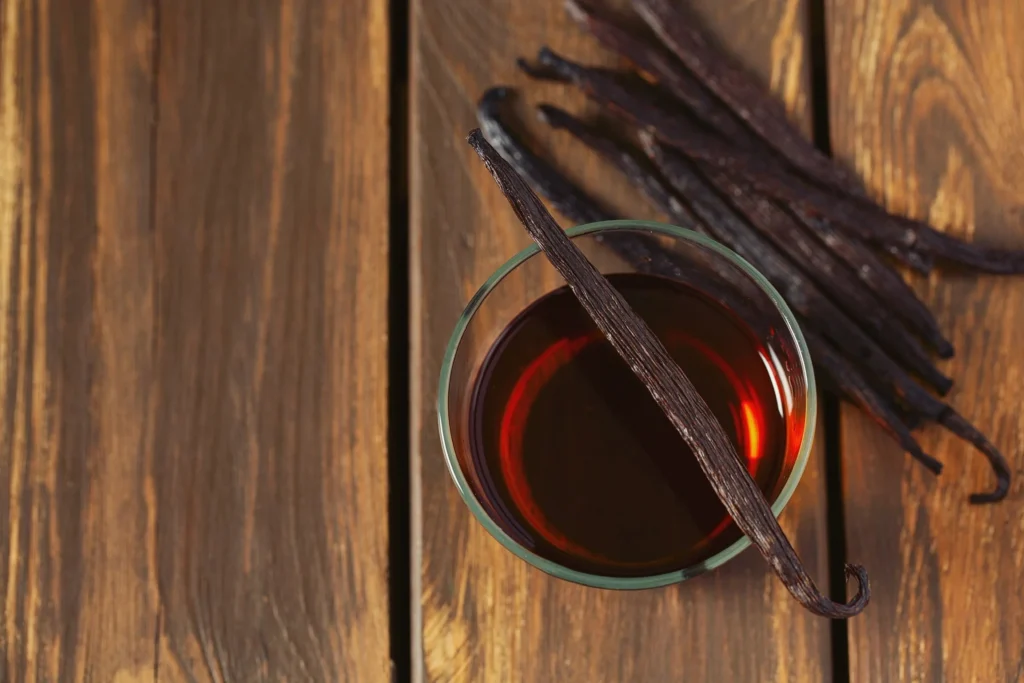
For vanilla extract, aroma strength and aroma style are more important than how the beans look.
Different vanilla-growing regions tend to produce beans with different aromatic characteristics. Some are known for sweeter, creamier profiles, while others offer deeper, bolder, or smokier notes.
In extract production, beans with a robust and persistent aroma are often preferred because they retain character throughout long extraction times and remain noticeable after dilution or heat processing.
The “best” aroma profile depends on the final application:
- Desserts and ice cream often benefit from softer, sweeter notes
- Baking and beverages typically require deeper aromas that hold up under heat
- Industrial applications prioritize consistency and performance over subtlety
Moisture Content and Its Impact on Extraction
Moisture content plays an important role in vanilla extract efficiency and consistency.
Beans with very high moisture content may appear premium, but they often contain a lower proportion of extractable dry matter per gram. This can reduce aroma yield and introduce variability during extraction.
Beans with moderate moisture levels are commonly preferred for extract production because they allow more predictable alcohol penetration and more consistent aroma release over time.
For this reason, many extract producers select beans that are cured and graded specifically for extraction rather than for gourmet presentation.
Balanced moisture levels help support:
- Stable and efficient infusion
- Lower risk of microbial spoilage during long maceration
- More uniform batch-to-batch extract results
Vanilla Bean Grades for Extract Production
Vanilla beans are commonly categorized into grades, often referred to as Grade A and Grade B (or extraction grade).
| Attribute | Grade A (Gourmet Grade) | Grade B (Extraction Grade) |
|---|---|---|
| Appearance | Plump and visually appealing | Leaner and less plump |
| Moisture Content | Higher moisture content | Lower moisture content |
| Aroma Concentration | Well-developed aroma, often selected for presentation | More concentrated aroma per gram |
| Typical Use | Culinary presentation, retail, decoration | Vanilla extract production |
| Primary Selection Criteria | Visual quality and flexibility | Extraction efficiency and consistency |
For extract production, Grade B vanilla beans are frequently preferred because they offer:
- Stronger aroma per gram
- Better extraction efficiency
- More cost-effective sourcing
This is a practical decision rather than a quality compromise.
Does Origin Matter for Vanilla Extract?
Origin influences aroma style, curing methods, and availability, but it does not determine whether a vanilla bean is suitable for extract.
Vanilla from regions such as:
- Madagascar
- Indonesia
- Papua New Guinea
- Uganda
- Mexico
can all perform well in extract production when properly cured and graded.
The key distinction is aroma character, not country name. Many professional buyers evaluate beans by sensory performance rather than origin branding alone.
Consistency and Supply Reliability
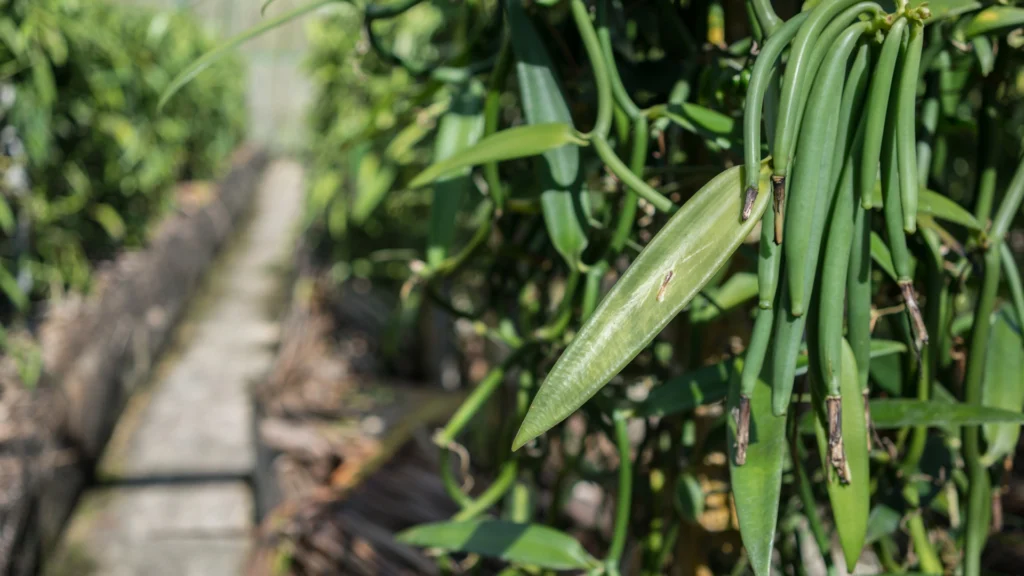
For commercial extract producers, consistency often matters more than peak aroma in a single batch.
Important factors include:
- Uniform curing methods
- Stable moisture levels
- Reliable sorting and grading
- Proper storage before export
Beans that vary widely from batch to batch can create formulation challenges, even if individual lots are high quality.
How to Choose the Right Vanilla Beans for Extract
When selecting vanilla beans for extract, buyers should evaluate:
- Aroma strength and style
- Moisture content
- Grade suitability
- Consistency across lots
- Intended end application
Starting with small test batches is a common practice before committing to larger volumes.
Conclusion
The best vanilla beans for extract are not defined by appearance or origin alone. In most extract applications, Grade B vanilla beans are typically the preferred choice due to their lower moisture content, concentrated aroma, and efficient extraction performance.
By prioritizing functional characteristics such as aroma strength, moisture balance, and batch consistency rather than labels or visual appeal.Extract producers can make more informed sourcing decisions and achieve reliable, repeatable results over time.
If you are reviewing vanilla beans for extract production and would like to compare specifications or test small quantities, you can reach us through our website or via WhatsApp to continue the discussion.
www.vaniarta.com
