
If you’re shopping for vanilla beans, you’ve probably seen the labels Grade A and Grade B and wondered which one is better.
At first glance, it sounds simple: Grade A must be higher quality, right?
Not exactly.
The truth is, Grade A and Grade B vanilla beans are graded by use, not by quality. Choosing the wrong one doesn’t just affect flavor, it can cost you money.
Let’s break it down in plain terms.
How Vanilla Beans Are Graded
Vanilla beans aren’t graded based on taste tests. Instead, grading is based on physical characteristics that indicate how the beans are best used.
The main factors include:
- Moisture content
- Thickness and plumpness
- Flexibility
- Appearance
- Intended application
The goal of grading isn’t to label beans as “good” or “bad,” but to help buyers choose the right beans for their purpose.
What Is Grade A Vanilla?
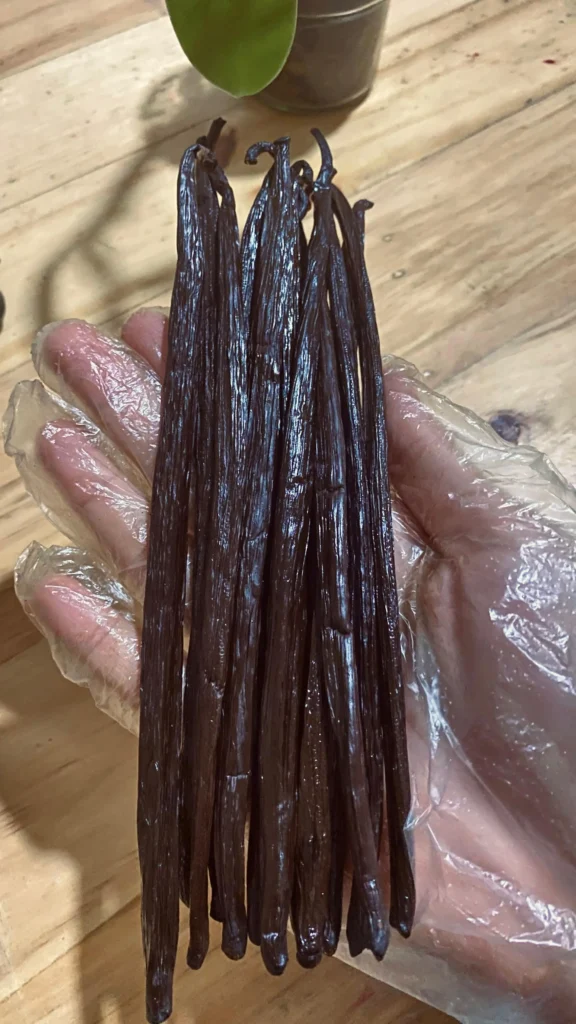
Grade A vanilla beans are often referred to as gourmet vanilla beans. They’re what most people imagine when they think of premium vanilla.
Key Characteristics of Grade A Vanilla
High moisture content (around 30–35%)
Plump, thick beans
Flexible and oily to the touch
Strong, immediate aroma
Visually attractive
Because of their moisture and appearance, Grade A beans look impressive right out of the package.
Best Uses for Grade A Vanilla
Grade A vanilla beans are best when:
- The bean itself is visible in the final dish
- You’re scraping seeds for desserts or pastries
- Aroma and presentation both matter
They’re commonly used in cakes, custards, ice cream, and fine pastry applications.
The Trade-Offs
Grade A vanilla isn’t better in every situation. Higher moisture means:
- Shorter shelf life if not stored properly
- Higher price per kilogram
- Less cost efficiency for extraction
That last point is important and often misunderstood.
What Is Grade B Vanilla?
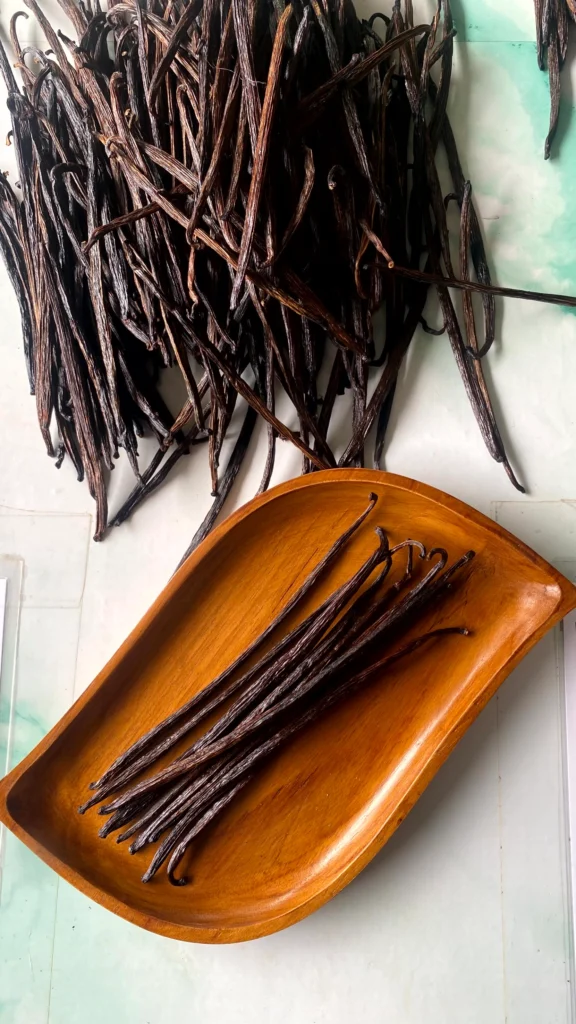
Grade B vanilla beans are sometimes labeled as extraction-grade vanilla, but that doesn’t mean they’re inferior.
Key Characteristics of Grade B Vanilla
- Lower moisture content (around 18–25%)
- Thinner, drier beans
- Slightly wrinkled appearance
- More efficient extraction due to lower moisture content
- Longer shelf stability
They may not look as impressive as Grade A beans, but their composition makes them extremely effective for certain uses.
Best Uses for Grade B Vanilla
Grade B vanilla beans are ideal when:
- Making vanilla extract or vanilla paste
- Processing into food or beverages
- Flavor matters more than appearance
Because they contain less water, Grade B beans often deliver more aroma per dollar during extraction. This is why many extract makers and professionals actively prefer them.
Grade A vs Grade B Vanilla Beans: Key Differences
| Feature | Grade A | Grade B |
|---|---|---|
| Moisture Content | ~30–35% | ~18–25% |
| Appearance | Plump, glossy | Thinner, less plump |
| Best Use | Direct culinary use | Extraction & processing |
| Shelf Life | Shorter | Longer |
| Cost Efficiency | Lower | Higher |
| Common Buyers | Chefs, bakers | Extract makers, brands |
Which Grade Should You Choose?
The right choice depends on how you plan to use the beans, not which grade sounds more premium.
- Home bakers and chefs
Grade A is usually the better fit. - Vanilla extract or paste makers
Grade B offers better value and efficiency. - Wholesale or B2B buyers
The right grade depends on the final product and cost structure.
Using Grade A beans for extraction often means paying extra for moisture you don’t need.
Common Misconceptions About Vanilla Grades
Let’s clear up a few common myths:
- “Grade B is lower quality.”
False. It’s simply optimized for a different purpose. - “Grade A always has more flavor.”
Not necessarily. For extraction, Grade B can be more efficient. - “Dry beans are old beans.”
Incorrect. Lower moisture doesn’t mean poor quality.
Understanding these points helps you buy smarter and avoid overpaying.
So, Which One Makes Sense for You?
Grade A and Grade B vanilla beans aren’t competitors, they’re tools.
One is designed for presentation and immediate culinary use.
The other is designed for flavor efficiency and processing.
If you choose based on appearance alone, you’ll likely spend more than necessary.
If you choose based on application, you’ll get better results at a better cost.
Need help choosing the right grade?
You can explore our vanilla beans and learn more about grades, origins, and applications at vaniarta.com
