
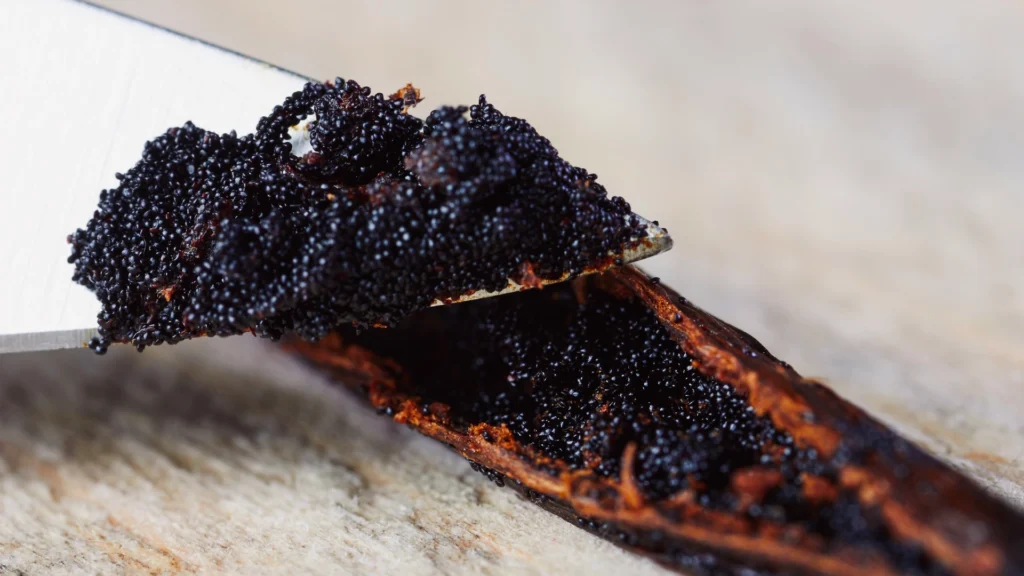
Understanding the Differences Between Vanilla Tahitensis and Planifolia
Vanilla beans may look similar at first glance, but Tahitensis and Planifolia offer completely different flavors, aromas, and culinary uses. If you’ve ever wondered which one is better for baking, beverages, or premium desserts, understanding their differences will help you choose the right bean for your recipe or business.
This guide breaks down their origins, flavor profiles, best uses, and key distinctions to help you pick confidently.
What Is Vanilla Planifolia?
Vanilla Planifolia is the most common vanilla variety. It is grown mainly Indonesia and Madagascar. These beans grow from the Vanilla planifolia orchid and are naturally rich in vanillin, the organic compound that gives vanilla its flavor.
Flavor Profile and Aroma
Planifolia beans have a rich, creamy, classic vanilla flavor because they contain more vanillin than Tahitensis. While vanillin levels depend on the region and curing process, Planifolia usually gives the stronger, more familiar vanilla profile.
Best Uses for Planifolia
If you’re making ice cream, custards, cakes, or vanilla extract, Planifolia is usually the best choice since all of these rely on that strong, instantly recognizable vanilla taste.
What Is Vanilla Tahitensis?
Tahitian vanilla (Vanilla Tahitensis) is thought to be a hybrid variety related to Planifolia. Although it’s best known for coming from Tahiti, it’s now widely cultivated across the Pacific and in Indonesia, particularly Papua.
Flavor Profile and Aroma
Tahitensis beans tend to smell more floral, fruity, and perfume-like because they contain less vanillin and more of other aromatic compounds. That’s why they’re appreciated for their delicate, layered scent instead of a bold vanilla flavor.
Best Uses for Tahitensis
Tahitensis works best in dishes that highlight aroma like light pastries, custards, panna cotta, and specialty drinks where its floral or fruity notes can really stand out. Many chefs and small-batch makers choose it for their signature creations.
Key Differences Between Tahitensis and Planifolia
Flavor and Aroma Comparison
- Planifolia = bold, creamy taste with plenty of vanillin, giving it that familiar “true vanilla” flavor.
- Tahitensis = plumper and more aromatic, with floral and fruity notes
Appearance and Bean Texture
- Planifolia = Oily, slightly firm, dark brown, and usually longer
- Tahitensis = Semi firm, usually shorter, and often darker or reddish-brown when cured.
Which Vanilla Bean Should You Use?
Planifolia is the go-to bean for almost anything bakeries, large batches, drinks, and everyday cooking because it delivers that strong, classic vanilla flavor every time.
Tahitensis is better when you’re aiming for something softer and more aromatic, like delicate pastries, signature desserts, or specialty beverages. In short, each bean shines depending on whether you want bold vanilla or a lighter, floral character.
For those seeking top-grade Indonesian vanilla, Vaniarta provides both Planifolia and Tahitensis for cafés, bakeries, and manufacturers. Visit www.vaniarta.com to see what’s available.
